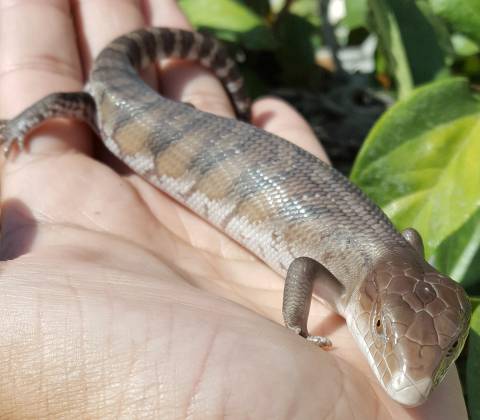
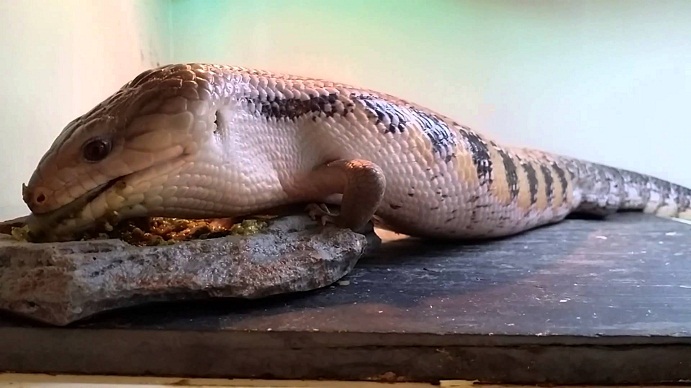
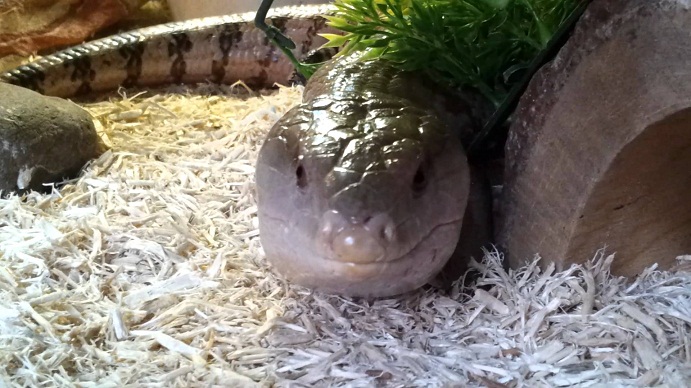
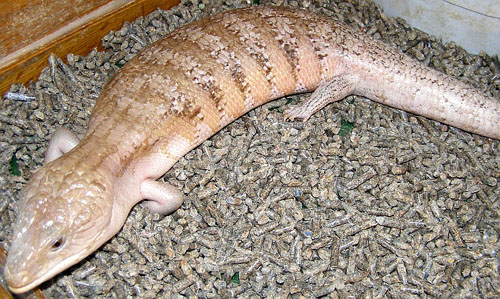
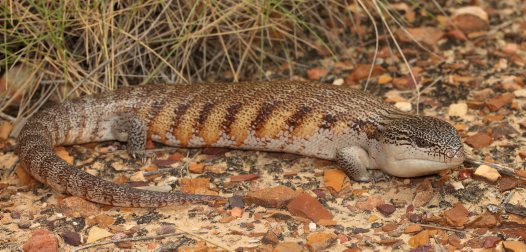
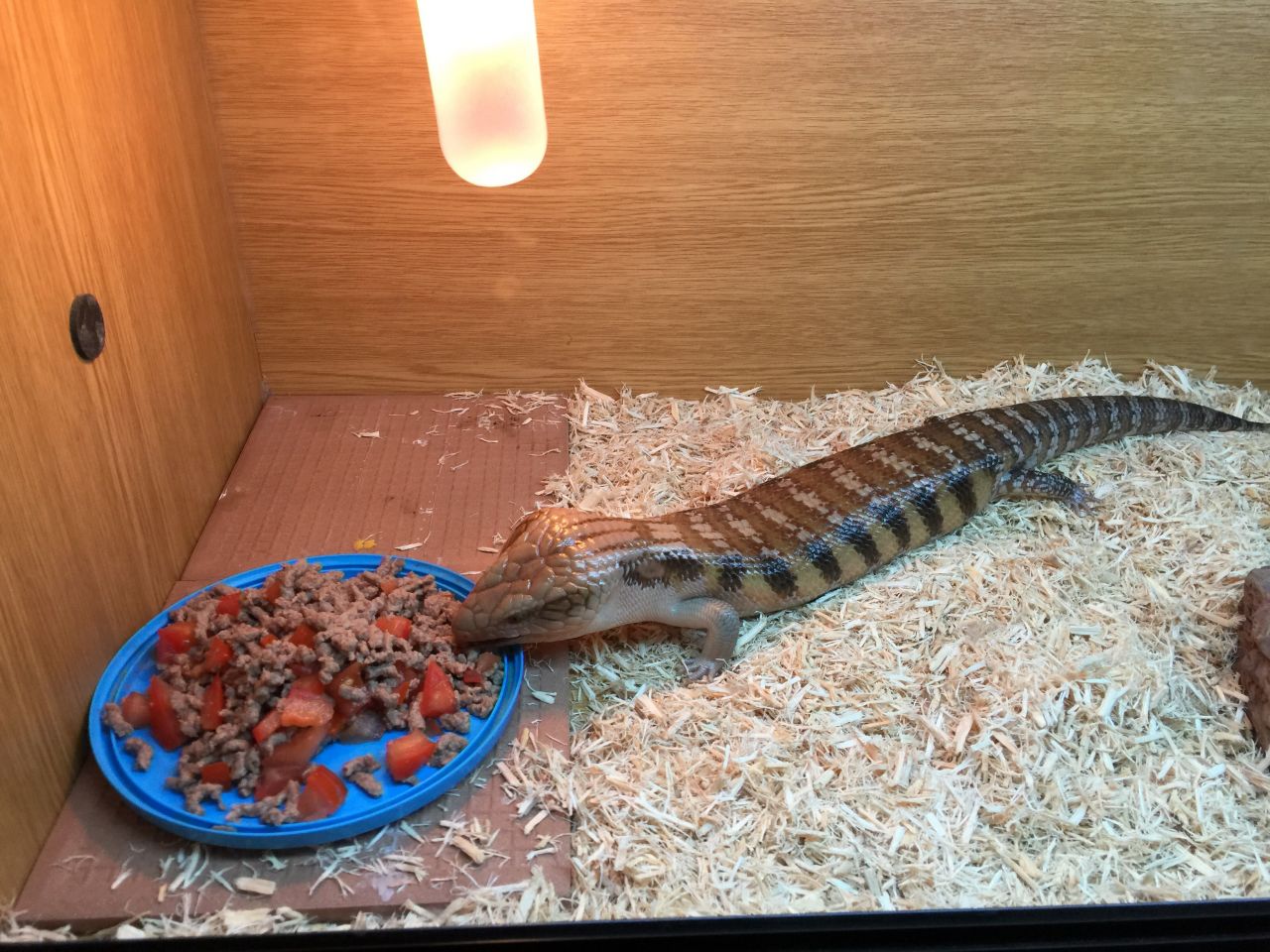
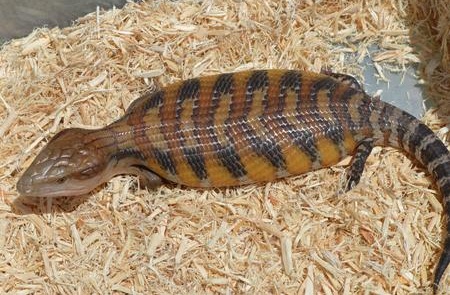
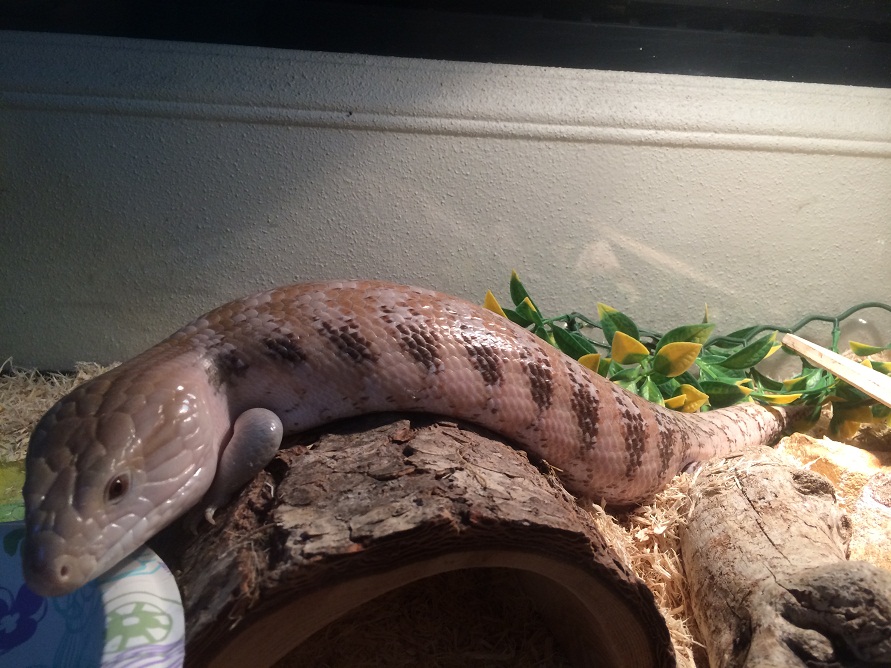
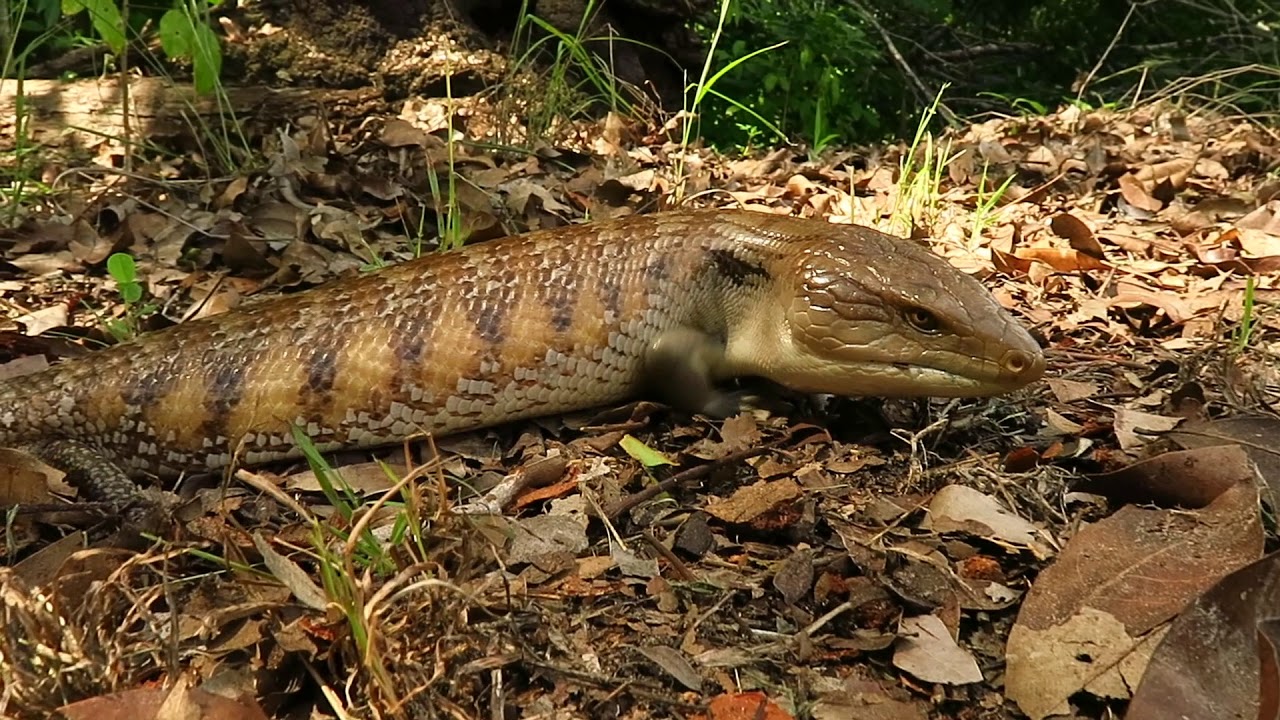
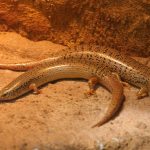
The largest and heaviest of the blue-tongued lizards, the Northern Blue-tongued Skink is a subspecies of the eastern blue-tongued lizard, and are very popular as pets. Unlike most other skinks, the juveniles of the species have almost the same look as the adults, except for the size.
| Kingdom |
Animalia |
| Phylum |
Chordata |
| Class |
Reptilia |
| Order |
Squamata |
| Family |
Scincidae |
| Genus |
Tiliqua |
| Species |
T. scincoides |
| Subspecies |
T. s. intermedia |
| Scientific Name |
Tiliqua scincoides intermedia |
| Also Known As |
Common blue tongue, Blue-tongued lizard, Double-headed skink, Bobtail |
| Length/Size |
About 22 inches |
| Body Coloration |
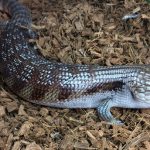
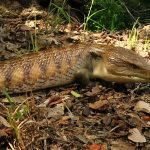
Bright orange to faint peach-orange, but also yellowish at times, having darker stripes along the back and sides |
| Range/Distribution |
Northern Australia |
| Habitat |
Semi-dry forest areas |
| Diet/Food |
Insects, snails, slugs, fruits, flowers and berries |
| Breeding Season |
September to November |
| Clutch Size |
10 – 25 young |
| Mode of Reproduction |
Ovoviviparous |
| IUCN Conservation Status |
Not classified |
Northern Blue Tongue Pictures Gallery
-
-
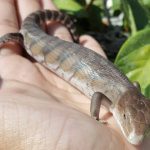
Northern Blue Tongue Skink Baby
-

-
Northern Blue Tongue Skink Diet
-
-
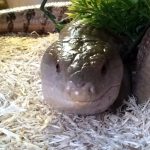
Northern Blue Tongue Skink Enclosure
-
-
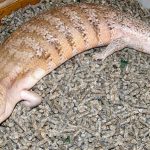
Northern Blue Tongue Skink Images
-
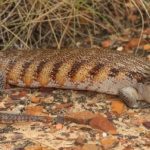
-
Northern Blue Tongue Skink Natural Habitat
-
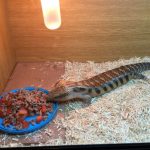
-
Northern Blue Tongue Skink Pictures
-
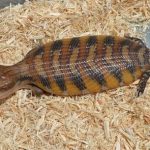
-
Northern Blue Tongue Skink Size
-
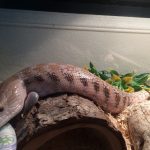
-
Northern Blue Tongue Skink
-
-
Northern Blue Tongued Skink
-
-
Tiliqua Scincoides Intermedia